Home Window Tinting: Save Energy and Comfort
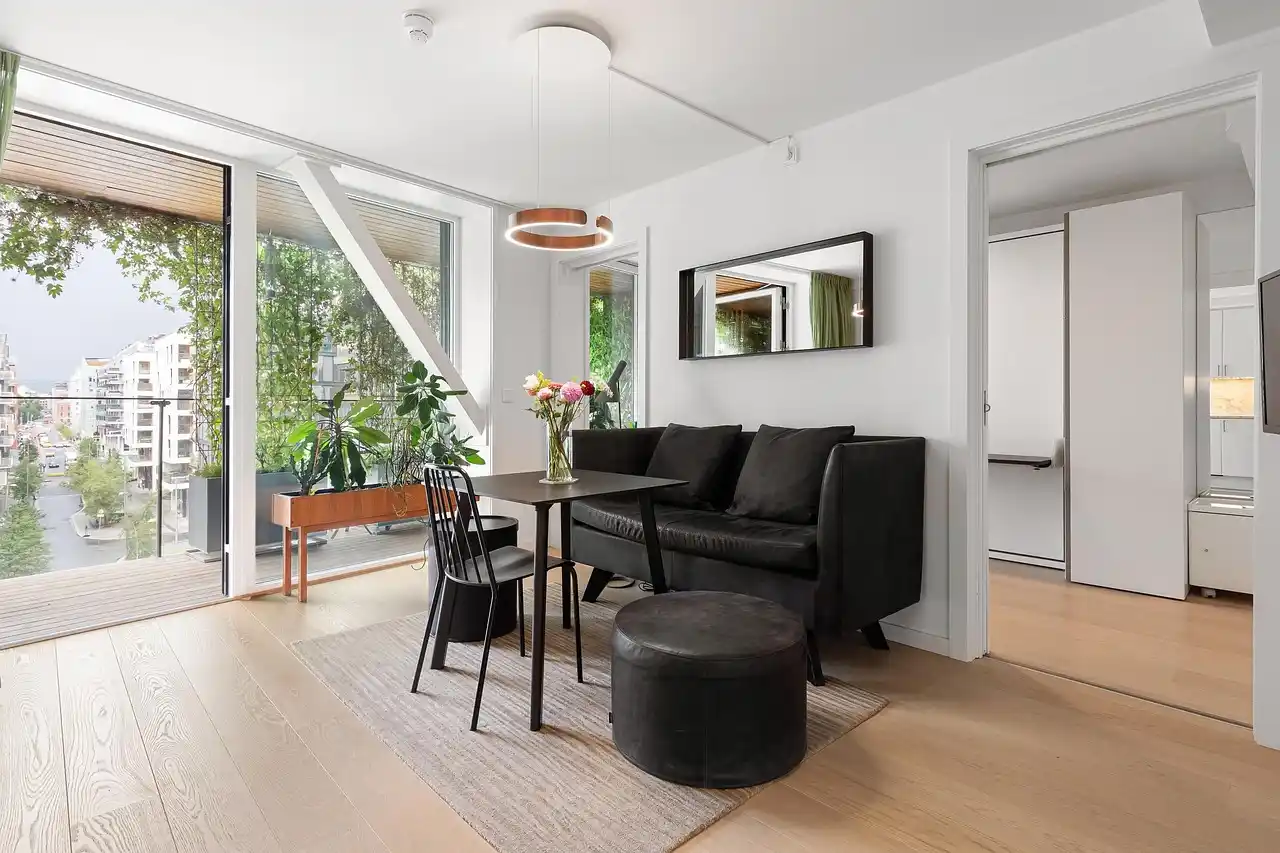
In the modern home, window tinting is a practical retrofit that can reduce heat gain, protect furnishings from fading, and improve comfort without sacrificing natural light. For homeowners, understanding the options helps you choose a solution that boosts energy efficiency and privacy while preserving curb appeal.
What is Home Window Tinting?
Home window tinting refers to applying a thin film to interior or exterior glass surfaces. The film modifies how light and heat pass through the glass, reducing glare and heat transfer. Unlike window coverings that only affect appearance, tinting changes the glass itself, offering ongoing energy benefits and enhanced indoor comfort.
Benefits of Home Window Tinting
Installing residential window film delivers multiple advantages. First, it lowers cooling costs by blocking a portion of solar heat, particularly in sunny rooms. Second, it protects interiors from UV damage, slowing furniture and carpet fading. Third, tinting reduces glare on screens and work surfaces, improving usability in living rooms, home offices, and studios. Fourth, many films add privacy during daytime hours without making rooms feel dark. Finally, some films increase safety by holding glass together if it breaks, reducing the risk of sharp shards.
Types of Window Films
Window films come in several formulations, each with distinct performance characteristics. Below are common options and what to expect from each.
Dyed Window Films
Dyed films are cost effective and provide a classic tinted look. They offer decent glare reduction and privacy but can fade over time and may not deliver the strongest heat rejection.
Metalized Window Films
Metalized films reflect solar energy to reduce heat and improve privacy. They can interfere with electronics if applied in excessive thickness or on certain glass types, so professional installation is recommended.
Ceramic Window Films
Ceramic films use non conductive particles to deliver high heat rejection, strong UV protection, and excellent clarity. They are often the premium choice for homeowners seeking performance without metallic interference.
Carbon Window Films
Carbon films provide a dark, matte finish with good heat rejection and UV protection. They resist color fading and offer a modern aesthetic with solid privacy without a mirror effect.
Nano-Ceramic or Advanced Ceramic Films
These high end films combine superior heat rejection, UV protection, and clarity while minimizing reflectivity. They are popular for large glass façades and homes with extensive sun exposure.
Professional vs DIY Installation
Professional installation ensures proper film alignment, bubble-free results, and reliable warranties. A qualified installer will assess glass type, existing coatings, and frame integrity to select the right film and adhesive. DIY kits exist, but errors can void warranties and reduce performance. If you opt for DIY, plan for careful surface cleaning, precise cutting, and steady hands to avoid creases or debris trapped beneath the film.
Costs, ROI, and Maintenance
Prices vary by film type, window size, and labor, but typical residential projects range from $6 to $15 per square foot for professional installation. Ceramic and nano-ceramic films tend to be at the higher end due to performance. Across a typical home, the energy savings from reduced cooling can offset a portion of the cost over 5 to 10 years, depending on climate and home efficiency. Maintenance is straightforward: clean with a soft, non abrasive cloth and a mild solution. Avoid abrasive cleaners that can scratch films.
Legal Considerations and Warranties
Some regions and homeowners associations have guidelines about tint darkness or reflectivity. While most residential films are compliant, always verify local building codes and HOA rules before installation. Warranties vary by product and installer, covering issues such as adhesive failure or delamination. Choose a manufacturer-backed film and a licensed installer to maximize warranty protection and long term performance.
Comparison of Common Window Film Types
| Film Type | Heat Rejection | UV Rejection | Visible Light Transmission (VLT) | Longevity | Cost | Best For |
|---|---|---|---|---|---|---|
| Dyed | Low to Moderate | Good | 40–70% | Moderate | Low | Budget tinting and privacy |
| Metalized | High | Excellent | 30–60% | Moderate | Medium | Heat control with some reflectivity |
| Ceramic | Very High | Excellent | 40–70% | Long | High | Best overall performance |
| Carbon | High | Excellent | 40–70% | Long | Medium to High | Dark, non reflective finish |
| Nano-Ceramic | Very High | Excellent | 40–70% | Very Long | High | Top tier performance |
Conclusion
In summary, home window tinting offers tangible benefits for energy efficiency, UV protection, privacy, and comfort. The right film depends on your goals, budget, and climate, with ceramic and nano-ceramic options delivering the strongest performance for most homes. For best results, work with a licensed installer who can assess your glass and climate, ensure code compliance, and provide a solid warranty. Regular maintenance will keep the film clear and effective for years, maximizing the return on your investment.
Conclusion, by choosing an appropriate residential window film and relying on professional installation, you can elevate indoor comfort, protect interior furnishings, and reduce energy use while preserving the view and natural light your home deserves.